
The Allure of Risk and Reward
The psychology behind casino gaming is intricately linked to the thrill of risk and reward. Gamblers often experience a heightened sense of excitement when they place bets, driven by the anticipation of winning, especially when choosing a fast withdrawal casino uk that promises quicker payouts. This risk-taking behavior is influenced by the brain’s reward system, which releases dopamine upon experiencing a win, reinforcing the desire to continue gambling. The unpredictable nature of games contributes to this allure; players may feel a rush of adrenaline with every roll of the dice or spin of the wheel, creating a compelling cycle of anticipation and reward.
Moreover, the concept of intermittent reinforcement plays a crucial role in casino gaming. Unlike consistent rewards, intermittent reinforcement, where players win unpredictably, keeps individuals engaged for longer periods. This psychological phenomenon explains why many gamblers persist in playing even after experiencing significant losses. The occasional win can create a belief that the next bet could yield an even more substantial reward, perpetuating the cycle of gambling. Ultimately, the appeal of risk and reward keeps players returning, regardless of the odds they face.
Additionally, casinos are designed to amplify these psychological triggers. The use of bright lights, engaging sounds, and strategically placed machines creates an environment that immerses players in a world of chance. This sensory stimulation can lead to a state of flow, where players lose track of time and become fully absorbed in the gaming experience. As players become engrossed, their rational decision-making processes can diminish, often resulting in impulsive betting behaviors that may lead to greater financial risk and emotional investment.
Social Interaction and Community
Casino gaming often serves as a social activity, where players engage with others, forming connections and camaraderie. This social dynamic can enhance the entertainment value of the gaming experience, as individuals share in the excitement of each game. The interaction may occur at the tables, where players communicate with each other and the dealer, or in communal spaces where groups gather to celebrate wins or commiserate losses. These social bonds can increase the frequency of visits to casinos, as players often seek out their friends and fellow gamblers for shared experiences.
The allure of shared experiences also ties into the concept of social proof, where individuals are influenced by the actions of others. Seeing fellow gamblers winning or enjoying their time can encourage new players to join in, reinforcing a sense of belonging within the casino community. This environment is particularly appealing to individuals who may feel isolated or disconnected in their everyday lives, offering an opportunity to bond over shared interests and experiences. The social aspect of gaming can often outweigh the financial aspects, as individuals prioritize enjoyment and connection.
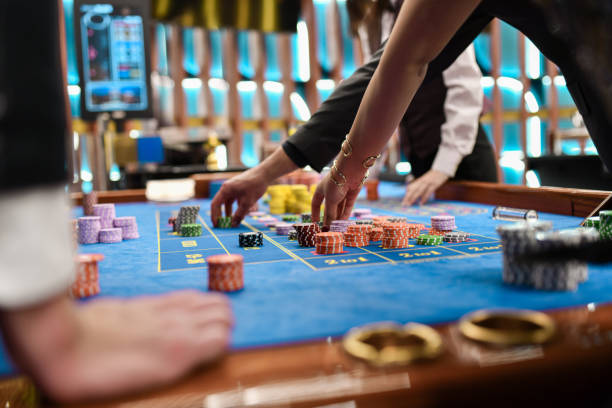
Moreover, casinos often host events and tournaments that further foster community engagement. These gatherings not only provide a platform for competition but also encourage socialization among players. The excitement of competing with others can enhance the overall gaming experience, making it even more enjoyable and memorable. For many, the sense of community found in casinos is a significant part of what keeps them coming back, as it provides a space where they can connect with others who share their passion for gaming.
The Impact of Cognitive Biases
Cognitive biases play a significant role in how individuals perceive and engage in casino gaming. One common bias is the illusion of control, where players believe they can influence the outcome of games that are purely based on chance. This can lead to misguided strategies, as gamblers may adopt specific rituals or behaviors they think will help them win. For example, a player might believe that wearing a lucky shirt or using a particular betting strategy can sway the odds in their favor, despite the randomness inherent in the game.
Another prevalent bias is the gambler’s fallacy, where individuals mistakenly believe that past events can influence future outcomes in random games. For instance, if a player observes a series of losses, they may assume that a win is « due » to occur soon. This misconception can lead to extended play and greater financial risk, as players continue to bet in hopes of overcoming their previous losses. Understanding these cognitive biases is crucial for both players and casino operators, as they shape gambling behavior and can lead to problematic gambling habits.
Additionally, casinos often exploit these cognitive biases through strategic marketing and game design. By presenting odds in a way that emphasizes potential wins and downplays losses, casinos can create a perception of better chances of winning than actually exist. Slot machines, for instance, are designed to make players feel as though they are close to winning, often using near-miss scenarios to keep players invested. This manipulation can heighten excitement and encourage continued play, despite the underlying odds being unfavorable. Recognizing these tactics can empower players to make more informed decisions about their gaming habits.
The Emotional Roller Coaster of Gambling
The emotional experience of gambling can be likened to a roller coaster ride, filled with peaks of joy and valleys of despair. Winning can elicit feelings of euphoria and satisfaction, reinforcing the behavior of returning to the casino for more thrills. However, losses can lead to disappointment, frustration, and even despair. This emotional fluctuation is a significant part of the gambling experience and can affect an individual’s mental health and well-being. The thrill of winning can be intoxicating, but the reality of loss is often more pronounced.

Moreover, the concept of loss aversion plays a role in how players react to their wins and losses. Individuals tend to feel the pain of losing more intensely than the pleasure of winning. This can lead to a cycle of chasing losses, where players continue to gamble in an attempt to recover what they have lost. This emotional drive can cloud judgment and lead to poor decision-making, as the desire to alleviate the pain of loss overrides rational thinking. Understanding this emotional landscape can be essential for players seeking to maintain a healthy relationship with gambling.
To cope with these emotional ups and downs, some gamblers may resort to various strategies. While some may adopt a more analytical approach to their gaming, others might engage in denial or escapism to avoid confronting their losses. Casinos often cater to this emotional landscape by providing a safe space where individuals can immerse themselves in their feelings away from the pressures of daily life. Recognizing the emotional dimensions of gambling is essential for understanding the potential for problematic behaviors and finding healthier outlets for these emotions, such as seeking support or practicing moderation.
Final Thoughts on Casino Gaming Psychology
The world of casino gaming is complex and deeply rooted in psychological principles that influence behavior. From the allure of risk and reward to the significance of social interactions, each aspect contributes to a player’s overall experience. Understanding these psychological factors can be beneficial not only for players seeking to manage their gaming habits but also for casino operators aiming to create a responsible gaming environment. Knowledge of these elements can lead to better strategies for promoting healthy gambling practices.
As the gaming industry continues to evolve with technology, the implications of these psychological factors will likely grow. Online gaming platforms are gaining popularity, and the psychological dynamics can vary in digital spaces compared to traditional casinos. However, the core principles of human behavior, the thrill of risk, and the emotional responses to wins and losses remain constant. This ongoing exploration of the psychology behind casino gaming provides valuable insights into the human experience and gambling’s place within it.
In conclusion, understanding the psychology behind casino gaming is crucial for both players and industry professionals. By recognizing the emotional, cognitive, and social factors at play, individuals can make more informed choices about their gaming practices. This awareness not only enhances personal experiences but also contributes to a more sustainable and responsible gaming environment that prioritizes player well-being and enjoyment.